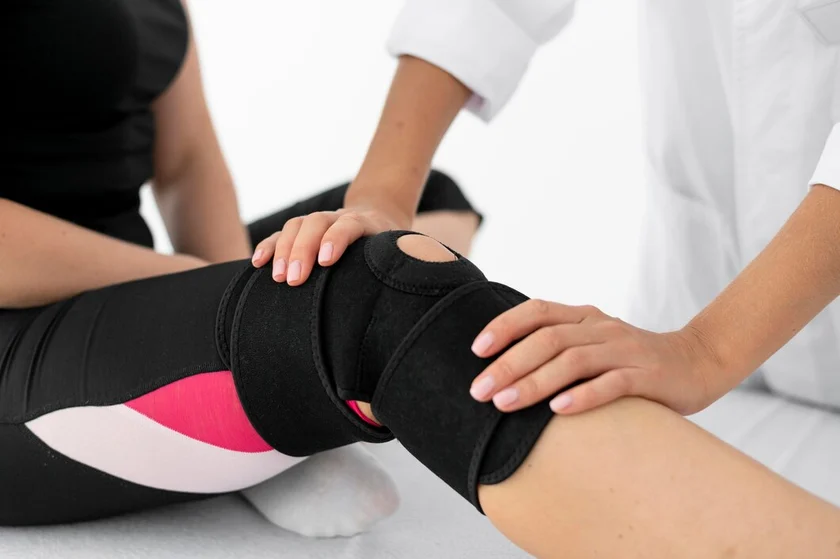
Knee pain treatment in Houston
For people whose knee pain makes stairs, walking, squatting, exercise or favorite activities more difficult.
Who this program is for
Is knee pain getting in the way of how you want to move?
The Knee restoration program is designed for people dealing with ongoing knee discomfort, stiffness, weakness, or difficulty with everyday movement.
You may be a good candidate for an evaluation if you are experiencing:
- Knee osteoarthritis
- Pain when going up or down stairs
- Pain when standing up from a chair
- Morning knee stiffness
- Swelling after activity
- Pain related to an older injury
- Tendon pain around the kneecap
- Difficulty walking, squatting, or exercising
- Ongoing limitations after knee surgery
The goal of the evaluation is to understand what may be contributing to your symptoms and determine whether this program is an appropriate next step.

What your evaluation covers
Knee pain can be influenced by how the hip, knee, ankle, muscles, and walking pattern work together. Your evaluation is designed to give the clinician a clearer picture of what is limiting your movement.
Your assessment may include:
-
Knee movement
Reviewing how comfortably the knee bends, straightens, and moves during everyday activities.
-
Hip and ankle movement
Looking at the joints above and below the knee to understand how they may be affecting movement.
-
Strength
Assessing the muscles that support the knee and help control walking, standing, stairs, and exercise.
-
Walking pattern
Observing how you move and where limitations or compensations may be occurring.
-
Imaging review
Reviewing existing imaging when relevant to your symptoms and history.
-
Referral screening
Identifying concerns that may need evaluation by an orthopedic or medical provider before or alongside care.
What the program includes
Your program may combine several types of care based on your evaluation and goals.
-
In the clinic
Your in-clinic care may include:
- Shockwave therapy where appropriate
- Laser therapy where appropriate
- Joint mobilization
- Strength work
- Gait and movement training
Not every patient receives every treatment. The combination used depends on your assessment and how you respond to care.
-
Between visits
Your plan may include exercises designed to support strength, mobility, and movement between appointments.
-
Progress reviews
Your clinician can periodically reassess how your knee is functioning and adjust the plan as needed. Progress may be reviewed through measures such as:
- Comfort and confidence on stairs
- Walking distance
- Knee range of motion
- Ability to complete daily activities
- Exercise tolerance
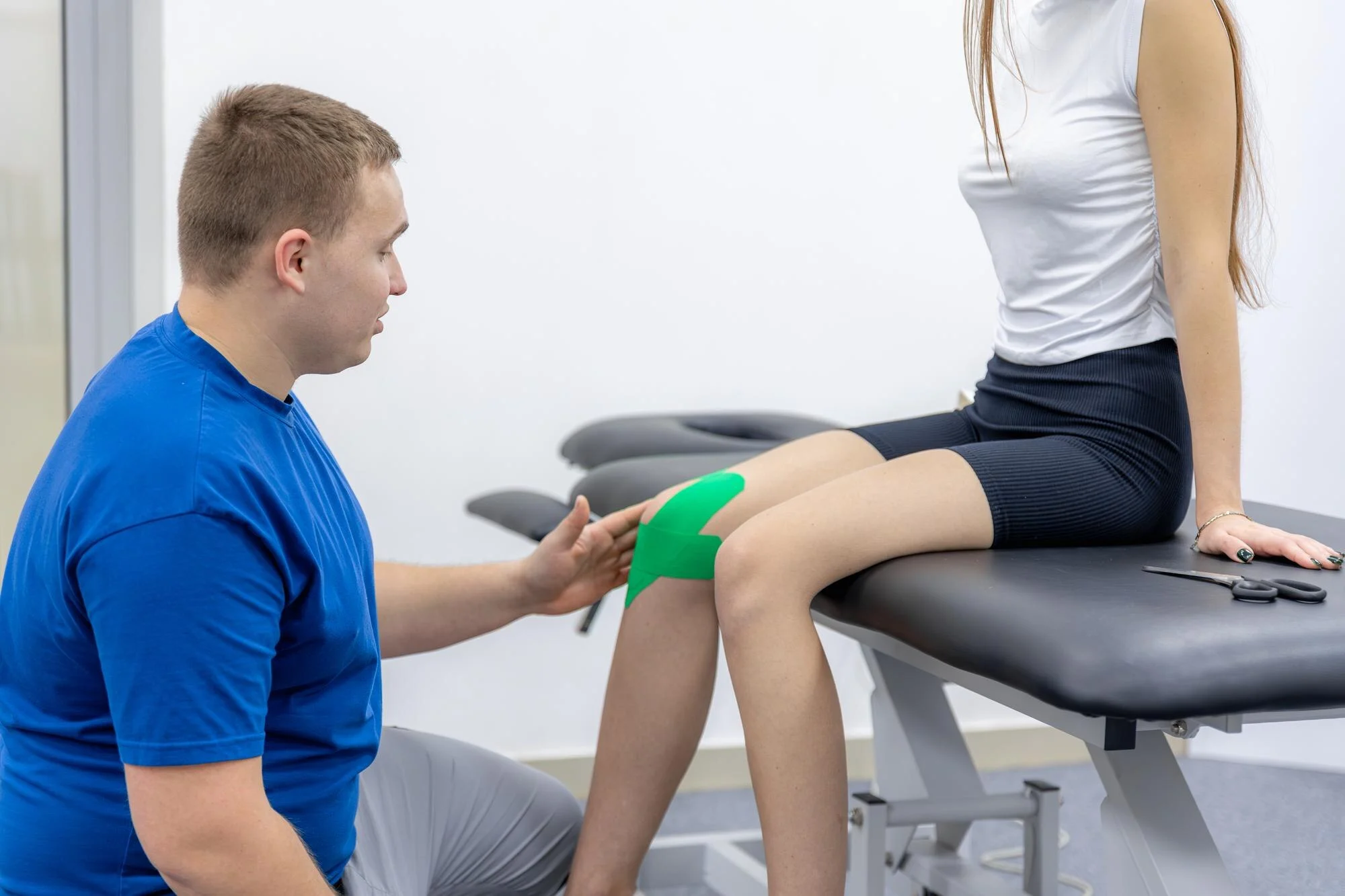
Knee conditions we see
Knee concerns this program may support
-
Knee osteoarthritis
Age-related or degenerative changes in the knee can contribute to stiffness, discomfort, and difficulty with walking, stairs, or prolonged activity.
-
Patellar tendon pain
Pain around the tendon below the kneecap may become noticeable during jumping, running, stairs, squatting, or repeated loading.
-
IT band pain
Irritation around the outside of the knee can sometimes be related to repetitive activity and movement patterns involving the hip and leg.
-
Meniscus-related pain
Some non-surgical meniscus-related concerns may be evaluated as part of a broader knee care plan.
-
Rehabilitation after surgery
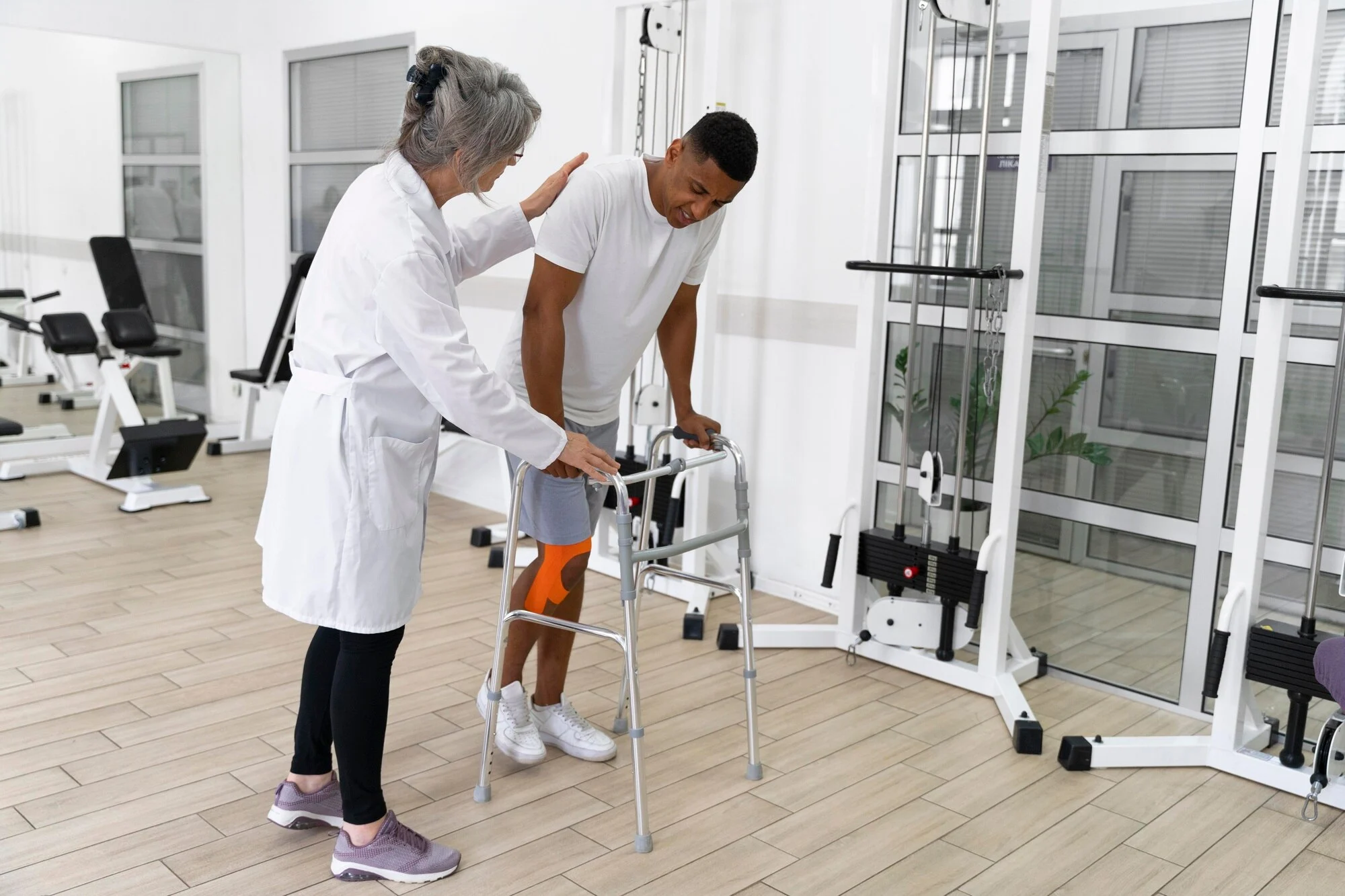
Once medically appropriate, rehabilitation may focus on restoring movement, strength, confidence, and everyday function after knee surgery.
What progress can look like
Knee recovery is not only about how the knee feels during an appointment. Your care team can also look at the activities that matter in your everyday life.
Depending on your starting point, progress may involve changes in:
- Walking tolerance
- Going up or down stairs
- Standing from a seated position
- Knee mobility
- Strength and control
- Confidence during exercise
- Ability to return to normal activities
Your plan can be reviewed and adjusted based on your response to care rather than following the same timeline for every patient.
When to see a doctor first
Seek appropriate medical evaluation before starting this program if:
- Your knee locks or repeatedly gives way
- You cannot put weight on the leg after an injury
- Your knee is hot and swollen and you also have a fever
- You develop calf pain or swelling
If you are unsure whether your symptoms are appropriate for this program, contact the clinic before booking.

FAQ
Knee restoration FAQs
An evaluation can help determine whether conservative care may be appropriate for your situation. If your symptoms or imaging suggest you need orthopedic management, the clinic can advise you on the appropriate next step. This program should not be presented as a replacement for surgery when surgery is medically necessary.
Yes. Both knees are evaluated, and your plan covers each one based on what the clinician finds. Arthritis in both knees often changes how you walk, so the evaluation also looks at your hips, ankles and walking pattern.
Some knee plans include a light-based or electrical stimulation device for use at home between visits. Whether it fits your plan depends on your evaluation. When it does, the device is included in your program, and the clinician shows you what it does and how to use it.
Your clinician recommends a schedule after the evaluation, based on what is causing the pain and how long you have had it.
In most cases, yes, with some changes. Your clinician tells you which activities to keep, which to adjust for now and how to build back up.
Coverage depends on your plan and on the treatments in your program; shockwave and laser therapy are often self-pay.
Still have more questions? Send us a message
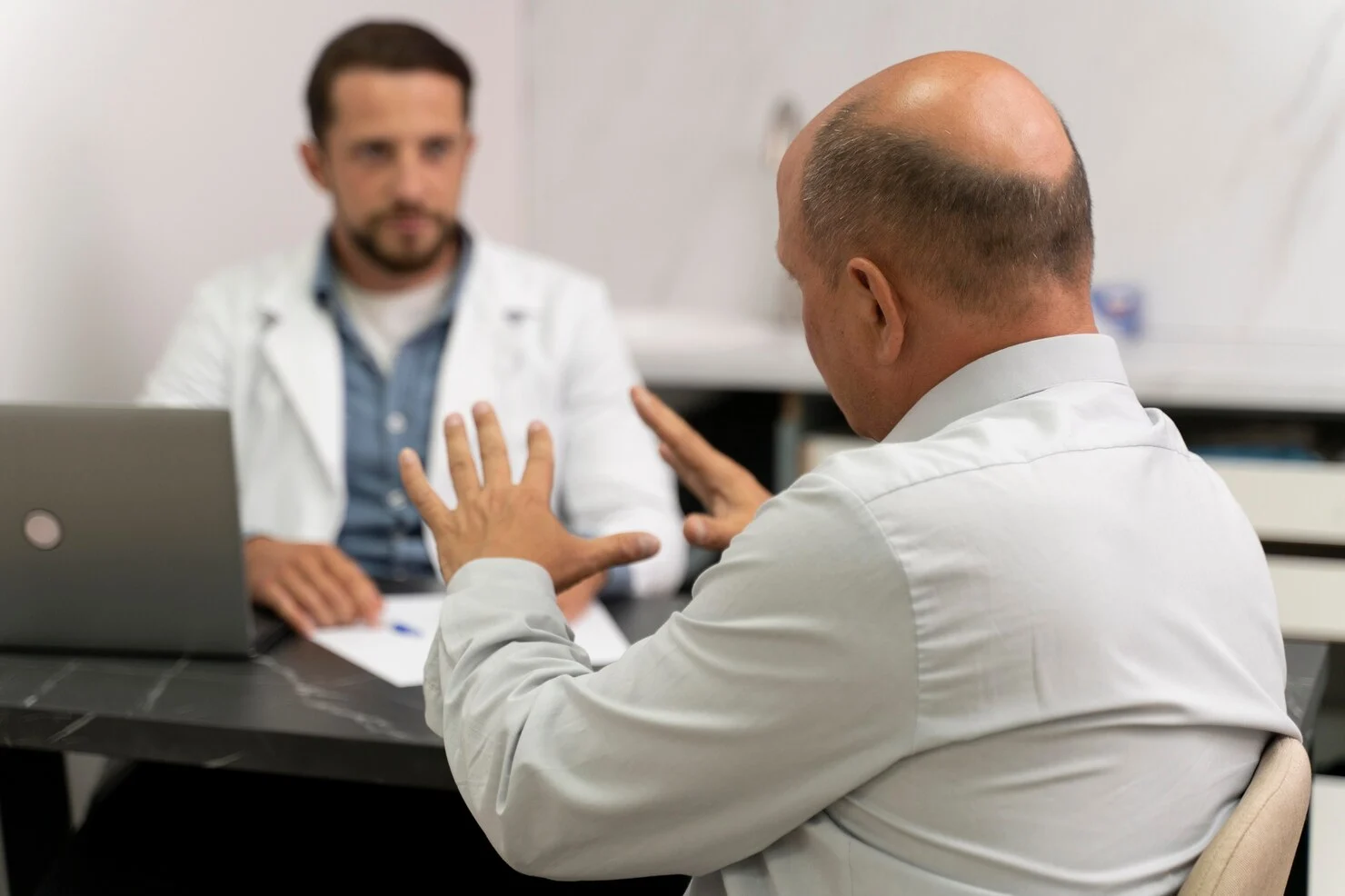
Book a meeting
Start with a knee evaluation
If knee pain is making walking, stairs, exercise, or everyday activities harder, the first step is understanding what is contributing to the problem. Book an evaluation so the team can assess your movement, discuss your goals, and determine an appropriate path forward.
- (346) 446-4990
- [email protected]
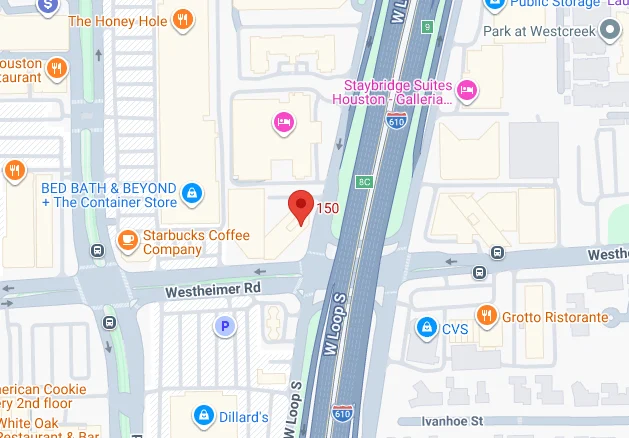
- 2500 West Loop S, Suite 150
Houston, TX 77027 - Mon - Fri: 9AM - 5PMSat - Sun: Closed