Laser therapy for joint, muscle and nerve pain
A technology-based treatment option that may be used alongside other forms of care when clinically appropriate.
What laser therapy is
Light-based therapy used in the clinic
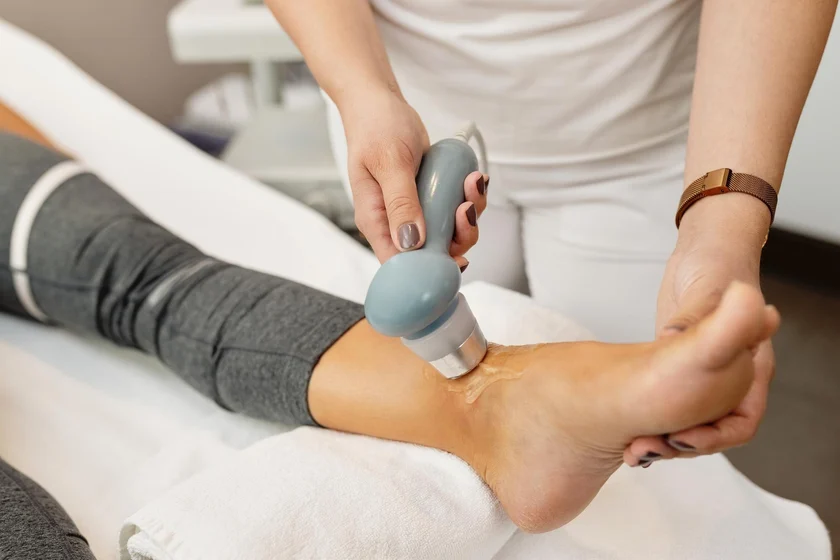
Laser therapy is a form of photobiomodulation, which uses specific wavelengths of light applied to a targeted area.
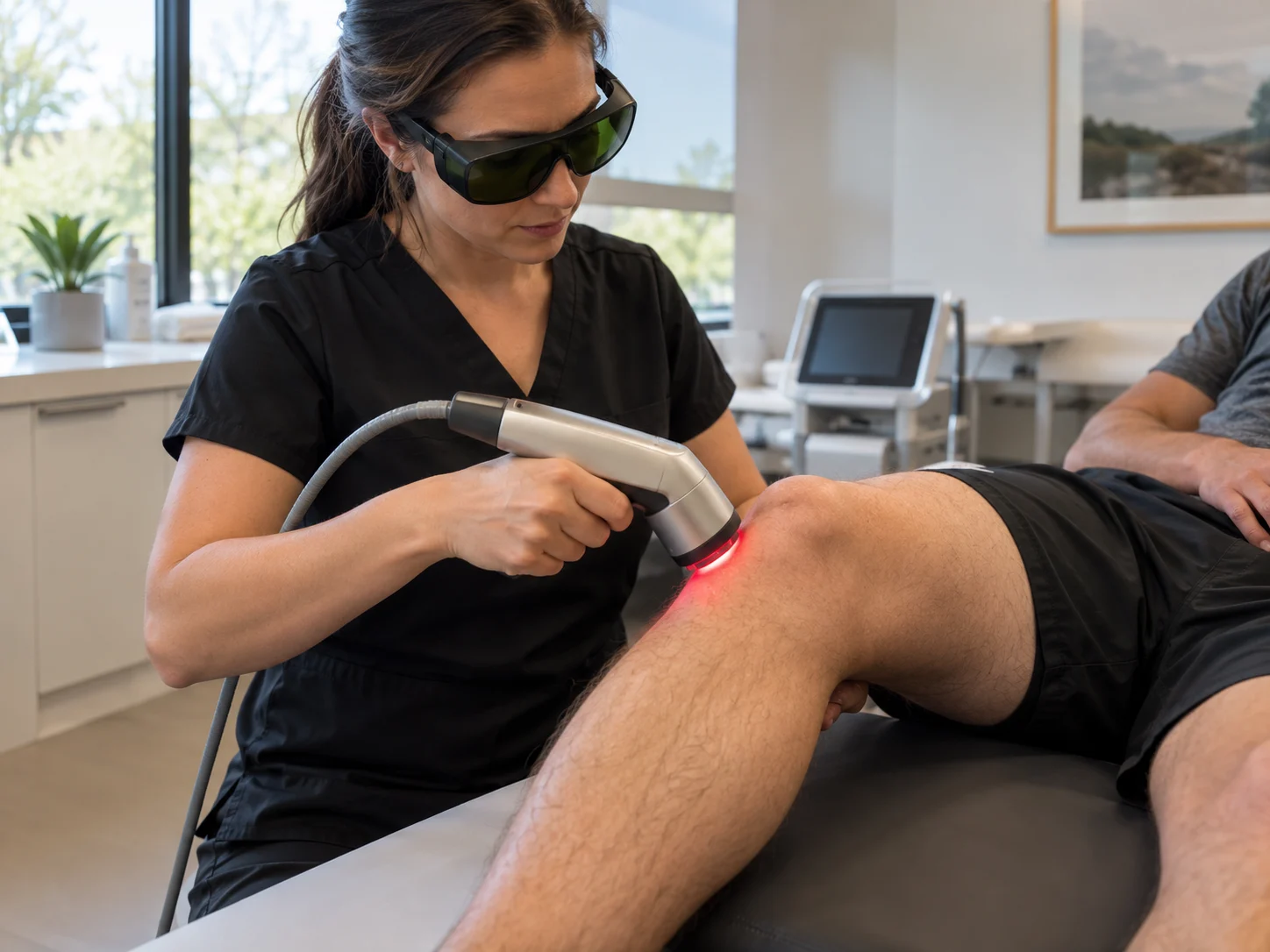
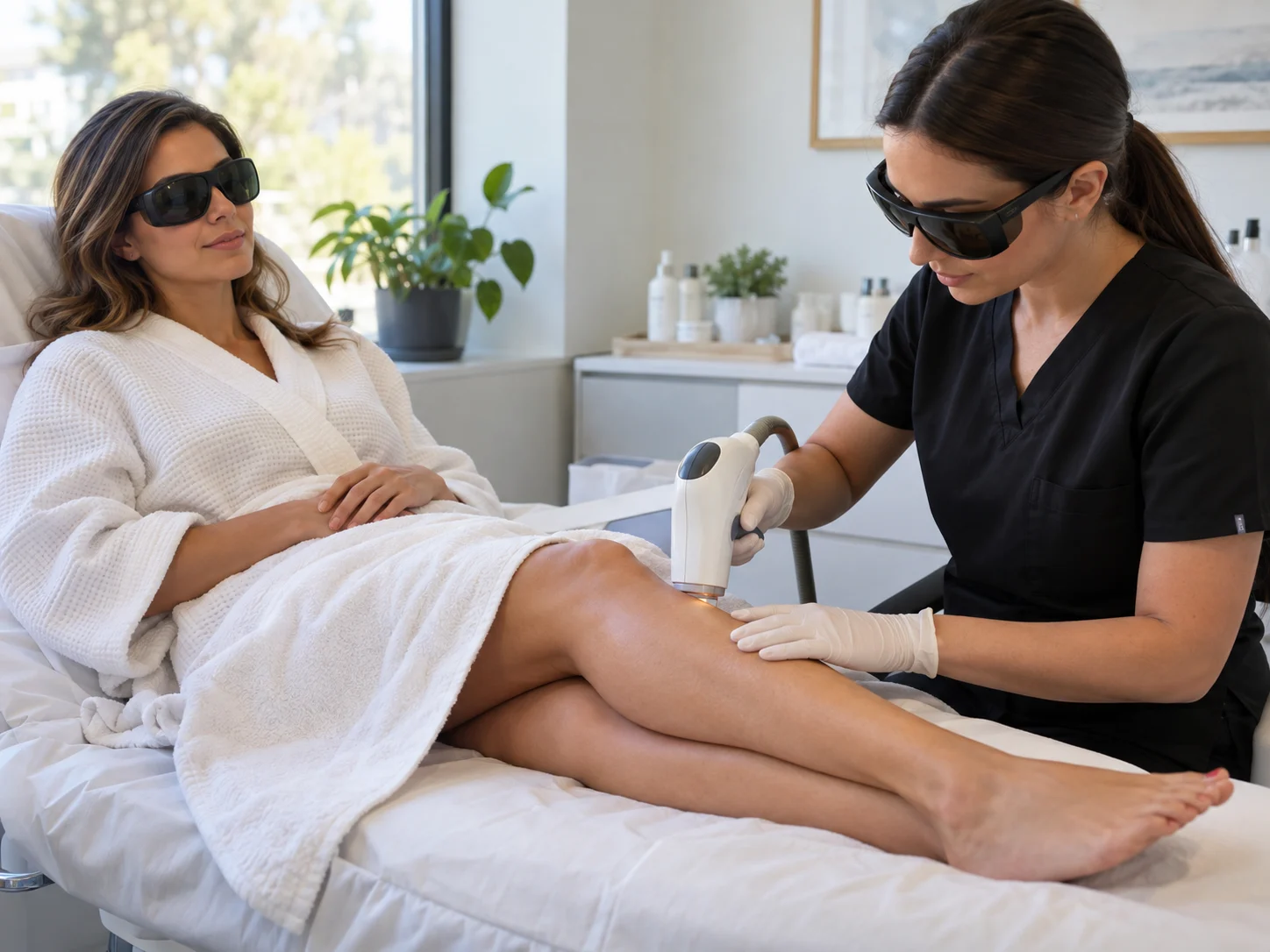
During treatment, the clinician positions the laser over the area being treated while you remain comfortably positioned.
Laser therapy may be used alongside other treatments as part of an individualized care plan.
Conditions and concerns we may evaluate
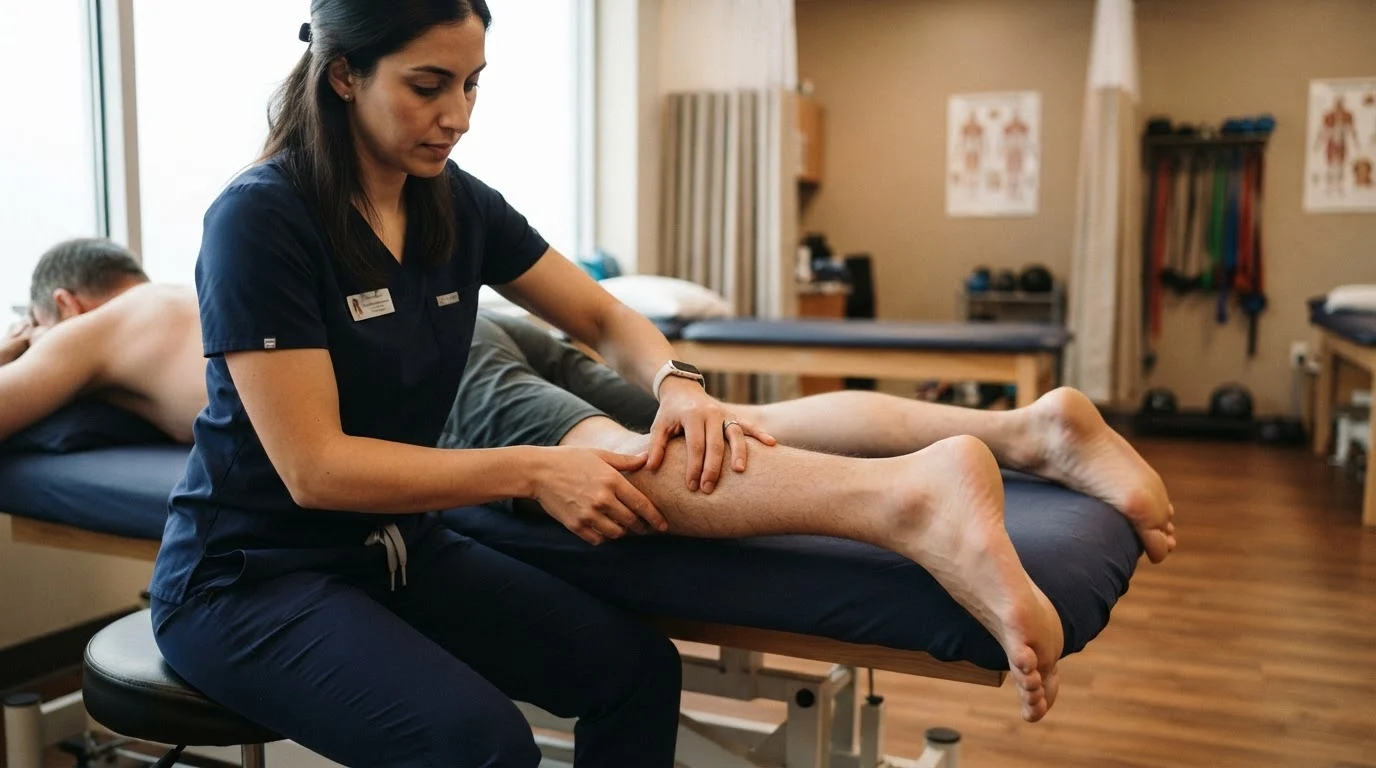
- 01Joint pain
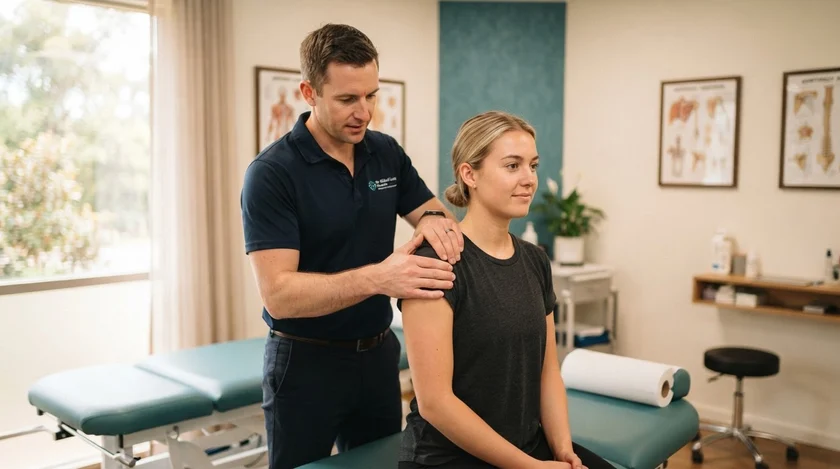
- 02Muscle and tendon pain
-
03Nerve-related pain

-
04Pain after injury

What to expect during laser therapy
You will be positioned so the clinician can comfortably access the area being treated.
Protective eyewear is used during treatment.
The laser is then applied to the targeted area. Depending on the treatment settings and equipment being used, you may notice warmth during the session.
Treatment time and visit frequency depend on the area being treated and your individual care plan.
Who should not have laser therapy
Your clinician will review your health history, medications, and the area being treated before determining whether laser therapy is appropriate.
Laser therapy may not be appropriate:
- Over the abdomen during pregnancy
- Directly over the eyes
- Over a known cancer
- When certain light-sensitizing medications are being used
If any of these apply to you, discuss them with the care team before treatment.

In-clinic laser and home light therapy
The clinic may use both in-clinic laser therapy and home light-based support as part of certain care plans, but they serve different roles.
-
In-clinic laser therapy
In-clinic laser therapy is provided by the care team during your appointment using the clinic’s treatment equipment. The clinician selects the treatment area and settings based on your care plan.
-
Home light therapy
Some programs may include a light-based device for use between appointments. Home use follows the instructions provided as part of your program and is intended to support your care between visits.
-
How they may work together
For some patients, in-clinic laser therapy and between-visit home support may be used together as part of a broader recovery plan.
Pricing and insurance
What laser therapy costs
The cost of laser therapy may depend on how it is used within your overall care plan and the number of visits recommended.
Have questions about cost or coverage?
Contact the clinic and the team can explain current pricing, payment options, and any insurance considerations that apply to your care.
Where laser therapy may fit into care
-
Neuropathy recovery
Laser therapy may be incorporated into care for certain nerve-related symptoms where appropriate.
-
Knee restoration
Laser therapy may be included alongside other treatments as part of an individualized knee care plan.
-
Shoulder restoration
It may also be incorporated into care for certain shoulder concerns based on your evaluation.
-
Neck pain
Laser therapy may be considered alongside other treatment options for some neck-related concerns.
FAQ
Laser therapy FAQs
Both use light, but the clinic’s in-clinic laser therapy and home light-based devices are not the same treatment. The equipment, settings, and way they are used may differ.
No. Most people feel nothing or a mild warmth over the area. You wear protective eyewear during the session.
Laser therapy is usually one part of a wider plan, so your clinician sets the number of sessions together with the rest of your care.
The cost depends on how many sessions your plan includes and what other care it is combined with.
It may be part of care for numbness, tingling or burning within the Neuropathy recovery program. People respond differently, and your evaluation decides whether it fits your plan.
Coverage varies, and laser therapy is often self-pay.
Still have more questions? Send us a message
Book a meeting
Find out if laser therapy fits your care plan.
If you are dealing with joint, muscle, tendon, nerve-related, or post-injury symptoms, start with an evaluation. The clinician can assess your needs and determine whether laser therapy may be appropriate alongside other forms of care.
- (346) 446-4990
- [email protected]
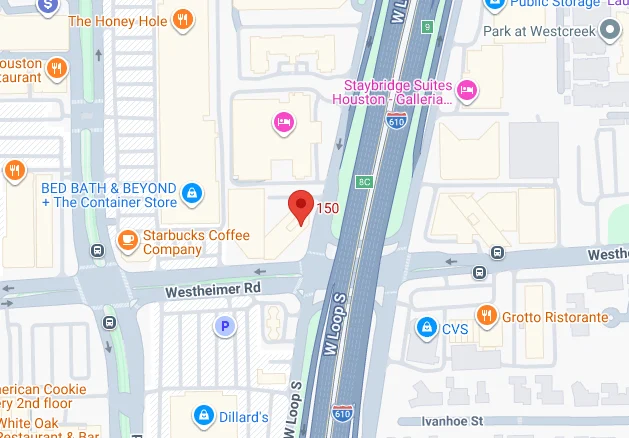
- 2500 West Loop S, Suite 150
Houston, TX 77027 - Mon - Fri: 9AM - 5PMSat - Sun: Closed