
Non-surgical spinal decompression for disc-related pain
A treatment approach designed to support certain spine-related concerns as part of a broader recovery plan.
What spinal decompression is
Controlled traction for the lower back and neck
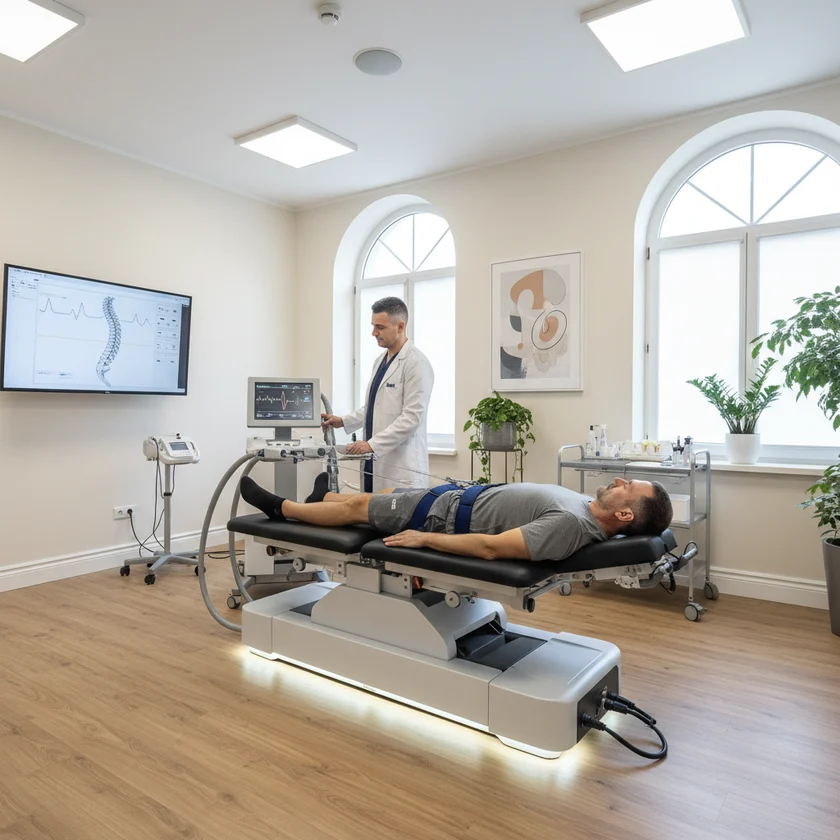
Spinal decompression is a motorized, computer-controlled form of traction.
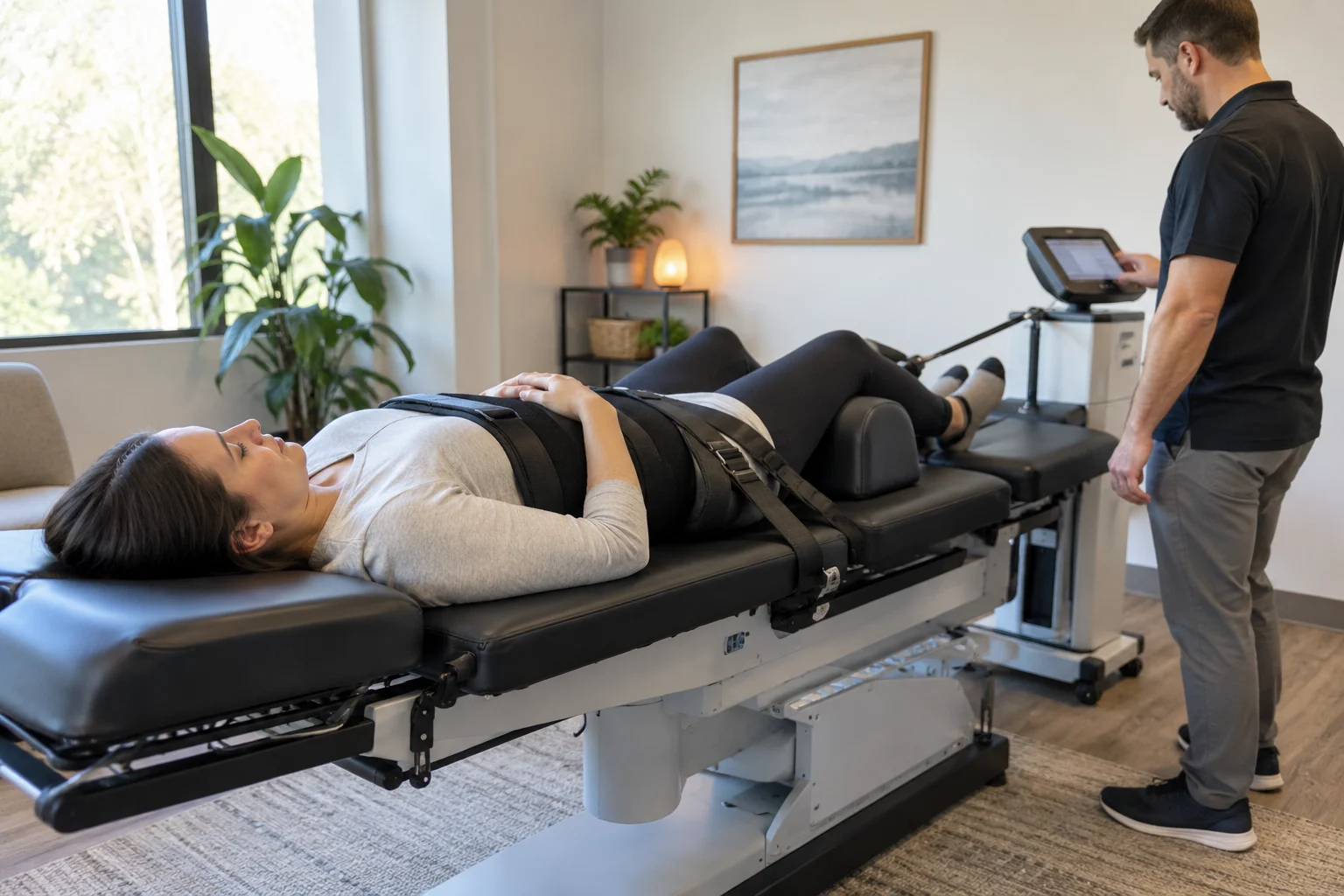
During treatment, the patient lies on a specialized table while the system applies controlled pulling forces to the spine. The amount and pattern of traction can be adjusted based on the area being treated and the patient’s needs.
The goal is to create a gentle stretching effect through the spine while the patient remains supported on the table.

Spinal decompression for herniated and bulging discs
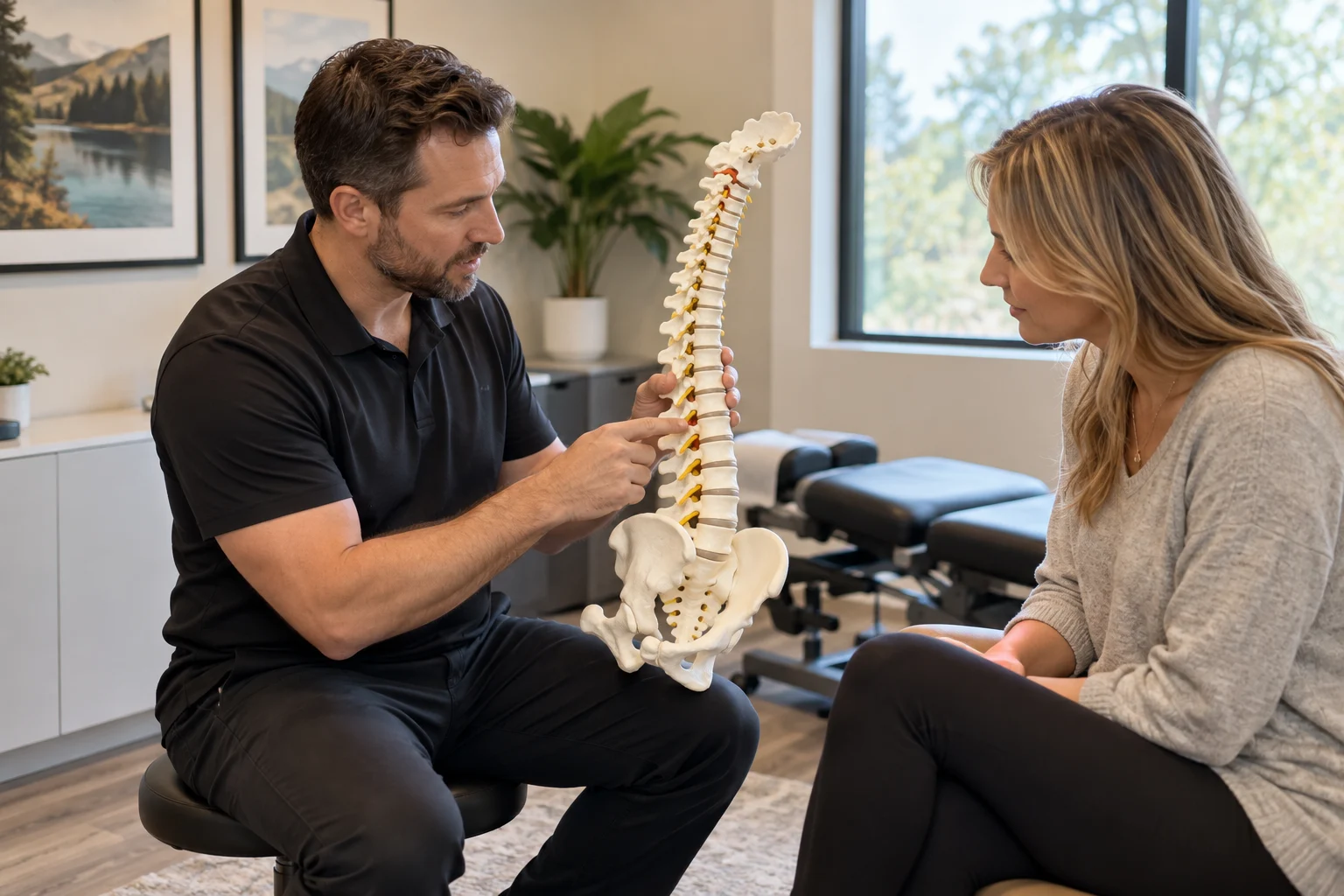
A spinal disc sits between the bones of the spine and helps absorb load and support movement.
A bulging disc occurs when the outer portion of the disc extends beyond its normal boundary.
A herniated disc occurs when material from inside the disc pushes through the outer layer.
Depending on the location, disc-related problems may be associated with:
- Back or neck pain
- Pain into an arm or leg
- Numbness or tingling
- Symptoms that worsen with certain positions or movements
Spinal decompression may be considered as part of a non-surgical care plan for some disc-related concerns.
It is not appropriate for every disc problem. If symptoms or imaging suggest that surgical or specialist evaluation is needed, referral may be the more appropriate next step.
Other conditions it may be used for
-
01Sciatica

- 02Degenerative disc disease

- 03Facet joint pain

-
04Neck disc problems

Who may be a good candidate?
Is spinal decompression right for you?
-
May be considered for
Spinal decompression may be considered after an evaluation for people with certain:
- Disc-related back or neck concerns
- Herniated or bulging discs
- Sciatica
- Degenerative disc changes
- Facet-related pain
- Neck disc problems
The decision should be based on symptoms, health history, physical examination, and any relevant imaging.
-
May not be appropriate for
- Pregnancy
- Fractures
- Spinal tumors
- Severe osteoporosis
- Recent spinal surgery
- Implanted hardware
A clinician should review your health history and current condition before recommending decompression.
What to expect during spinal decompression
You will typically lie on a specialized decompression table while the treatment is applied to the targeted area of the spine.
The system uses controlled traction, and the settings can be adjusted based on your treatment plan.
People may notice a gentle pulling or stretching sensation during a session.
Pricing and insurance
What spinal decompression costs
The cost of spinal decompression may depend on the treatment plan, number of sessions, and whether it is provided alongside other services.
Have questions about cost or coverage?
Contact the clinic and the team can explain current pricing, payment options, and any insurance considerations that apply to your care.

Part of the spine, neck & back recovery program
Spinal decompression is not necessarily used as a standalone treatment.
Depending on your evaluation, your care plan may also include:
- Chiropractic care
- Laser therapy
- Rehabilitation and mobility work
- Between-visit exercises
- Regular progress reviews
The goal is to choose the combination of care that fits your symptoms, movement, and goals.

FAQ
Spinal decompression FAQs
The number of sessions depends on your symptoms, goals, evaluation, and how you respond to care. Your clinician can recommend a treatment schedule after your consultation.
Most people feel a gentle pull or stretch and find it comfortable. The force builds gradually and can be lowered at any point. Tell the clinician if anything feels sharp or your symptoms increase.
Decompression is given as a series of sessions, so the price follows how many your plan needs and what other care goes with it.
Coverage for spinal decompression varies, and many plans treat it as self-pay.
Recent spinal surgery and implanted hardware are both reasons decompression may not be appropriate. If your surgery was some time ago, the clinician reviews your surgical history and imaging, and may ask for your surgeon’s view, before deciding.
Spinal decompression is a form of traction. On a decompression table, a computer controls the pulling force and how it builds and releases, and the settings are adjusted to the area being treated. Your evaluation decides whether either is appropriate.
Still have more questions? Send us a message

Book a meeting
Find out if spinal decompression is right for you.
If you are dealing with disc-related back pain, neck pain, or sciatica, start with an evaluation. The clinician can review your symptoms, health history, movement, and relevant imaging to determine whether spinal decompression may be appropriate as part of your care plan.
- (346) 446-4990
- [email protected]
- 2500 West Loop S, Suite 150
Houston, TX 77027 - Mon - Fri: 9AM - 5PMSat - Sun: Closed